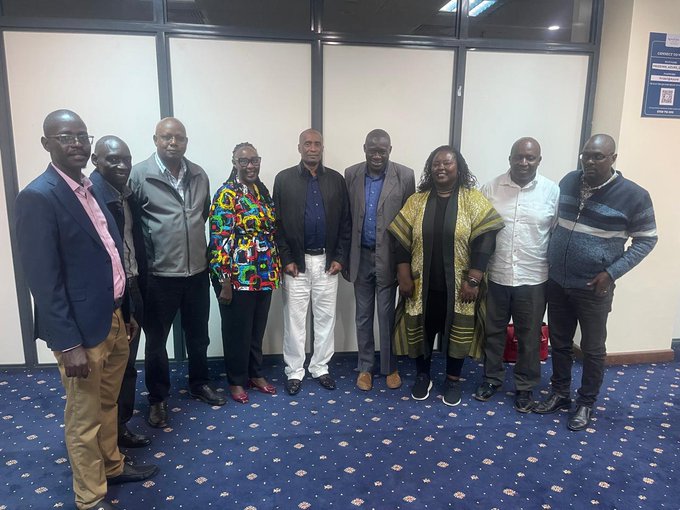
True and lasting police reform is built on the pillars of consistent engagement, institutional accountability, and an unyielding commitment to human rights. Recently, the Police Reforms Working Group Kenya (PRWG-K), a dynamic coalition of over 22 Public Benefit Organizations (PBOs) convened by the Independent Medico-Legal Unit (IMLU), took a significant step forward in this mission. The PRWG-K held a critical consultative meeting with the Director of Reforms at the Office of the Inspector General, Mr. John Kamau, AIG, and his deputy, Mr. David Gachoki, to review the current status of policing reforms and evaluate human rights adherence within the security sector.
This engagement aligns directly with the PRWG-K’s broader, long-term mandate of driving human rights advocacy and structural policing transformations across Kenya. Rather than viewing oversight as a purely adversarial process, the meeting underscored the necessity of collaborative oversight to ensure that law enforcement agencies operate within constitutional boundaries while effectively serving the public.
To ensure these discussions translate into measurable action, the meeting resolved to institutionalize regular, structured engagements between civil society and key police directorates. By establishing ongoing channels of communication with the directorates overseeing training, community policing, and gender and children’s affairs, the coalition aims to bridge the historical gap between the public and security agencies. This institutionalized dialogue is designed to intentionally build public trust, improve institutional accountability, and significantly accelerate the implementation of pending reform commitments.
Through open and rigorous dialogue, the PRWG-K and the leadership from the Office of the IG identified four joint priority areas to fast-track sustainable transformation:
Strengthening Community Policing Committees: Revitalizing local policing committees to ensure they serve as genuine, safe platforms for citizen-led security and localized problem-solving.
Prioritizing Officers’ Mental Wellness: Recognizing that the mental health of law enforcement officers directly impacts their operational conduct, the stakeholders prioritized the integration of psychosocial support systems within the service.
Enhancing Human Rights-Based Training: Infusing practical, functional, and human rights-centered curriculums into both foundational and ongoing police training programs.
Fast-Tracking Reform Commitments: Eliminating bureaucratic bottlenecks to rapidly implement outstanding national reform recommendations and policy directives.
Ultimately, the path toward a professional, accountable, and human rights-compliant police service relies on broad, multi-sectoral engagement. True policing transformation cannot be achieved by law enforcement or civil society operating in isolation. By bringing together community leaders, state actors, and human rights defenders, we can cultivate the long-term trust and mutual respect required to create a safer, more just Kenya for everyone.